Gluten-Free Living: Boost Health & Energy Naturally
Going gluten-free isn’t merely a trend; for many, it’s a way of life as people have begun to discover the benefits that a gluten-free diet can offer.
While less than one percent of Americans have been diagnosed with celiac disease and follow a gluten-free diet as a medical necessity, one in five Americans say they try to eat gluten-free foods, while one in six avoids gluten altogether.
Over the last several years, the term ‘gluten-free’ has been popping up everywhere. Chances are, if you’re not currently following a gluten-free diet, you know someone who is.
But what is gluten?
Gluten is a general name for the proteins found in types of wheat, rye, barley, and triticale. These proteins, known as gluten, help foods maintain their shape by acting as a glue that binds food together. If you’ve ever made bread from scratch, you’ll recognize gluten as the substance that gives the dough its elasticity.
Check out this short video explanation from America’s Test Kitchen about gluten: https://youtu.be/zDEcvSc2UKA
When reading food labels, it isn’t always clear what does or does not contain gluten. As the trend to go gluten-free has grown, manufacturers have begun labeling products ‘gluten-free,’ but it’s still good to know what other terms to look for when avoiding gluten.
Wheat, for example, has many different grains, wheat berries, durum, emmer, semolina, spelt, farina, farro, graham, kamut, Khorasan wheat, and einkorn. Barley, rye, and triticale are other grains that contain wheat. Triticale is a newer grain, specifically grown to have a similar quality as wheat while being tolerant to a variety of growing conditions like rye.
Gluten can be found in many types of foods, even ones that would not be expected. Let’s take a look.
WHEAT is commonly found in:
Bread, baked goods, soups, pasta, cereals, sauces, salad dressings, and roux (which is a flour and butter mixture used to thicken white sauces).
BARLEY is commonly found in:
Malt (malted barley flour, malted milk and milkshakes, malt extract, malt syrup, malt flavoring, malt vinegar), food coloring, soups, beer, and Brewer’s Yeast.
RYE is commonly found in:
Rye bread, such as pumpernickel, rye beer, and cereals.
TRITICALE can potentially be found in:
Bread, pasta, and cereals.
While some people have to avoid gluten or suffer negative health consequences, you don’t have to be diagnosed with celiac disease or have a gluten sensitivity to reap the benefits of a gluten-free diet.
Here is a list of 10 benefits anyone can experience by going gluten-free:
#1 Improves cholesterol levels
#2 Promotes digestive health
#3 Increases energy levels
#4 Eliminates unhealthy and processed foods from your diet (oils, fried food, bread, and desserts to name a few)
#5 More likely to eat fruits and vegetables because they are all gluten-free
#6 Reduces your risk of heart disease, certain cancers, and diabetes
#7 Helps ward off viruses and germs as many processed foods you eat may contain more antioxidants, vitamins, and minerals
#8 Promotes healthy weight-loss
#9 Improves the health of people with irritable bowel syndrome and arthritis
#10 Distinctly improved awareness of foods that can have an adverse effect on your health
What do you have to lose? Give gluten-free a try and see what benefits you achieve!
You probably know that celiac disease has some association with gluten, but don’t know much beyond that. Let’s take a minute to get clear on what celiac disease is and how it’s diagnosed.
The Celiac Disease Foundation states, “Celiac disease is a serious autoimmune disease that occurs in genetically predisposed people where the ingestion of gluten leads to damage in the small intestine.”
When someone with celiac disease consumes gluten, their body triggers an immune response that attacks the small intestine. When the lining of the small intestine gets damaged, nutrients cannot be adequately absorbed into the body.
Celiac disease is estimated to affect 1 in 100 people worldwide. A number of antibody screenings are available to test for celiac disease. However, the only way to confirm a celiac disease diagnosis is to have an intestinal biopsy.
The only treatment for celiac disease is to adhere to a strict gluten-free diet. Those diagnoses are at risk of nutrient deficiencies which can cause severe health conditions, early-onset osteoporosis or osteopenia, central and peripheral nervous system disorders, pancreatic and gallbladder malfunction, and various neurological manifestations.
Going gluten-free can feel overwhelming or even seem impossible at times. Try not to stress! I’m here to help with your transition.
To start, include more naturally gluten-free foods.
FRUITS & VEGETABLES
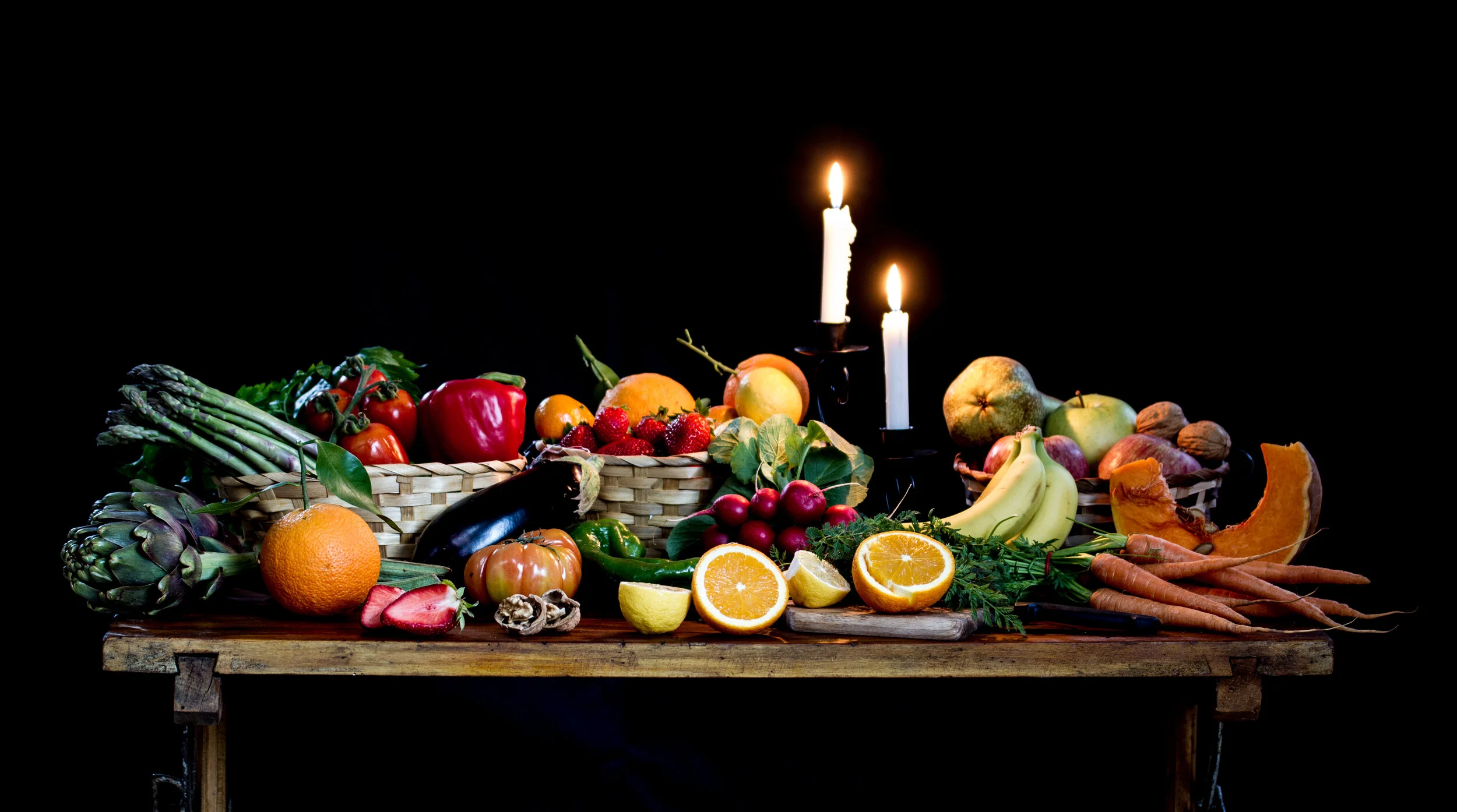
All fresh fruits and vegetables are naturally gluten-free. However, some processed fruits and vegetables may contain gluten, which is sometimes added for flavoring or as a thickener.
Gluten-containing ingredients that may be added to processed fruits and vegetables include hydrolyzed wheat protein, modified food starch, malt, and maltodextrin.
PROTEINS
Most proteins are naturally gluten-free on their own, including:
-Meat And Poultry
-Fish And Seafood
-Beans, Legumes, And Nuts
Be wary of gluten-containing ingredients, such as soy sauce, flour and malt vinegar which are often used as fillers or flavorings. They may be added to sauces, rubs, and marinades.
DAIRY
Most dairy products are naturally gluten-free. Avoid malted milk drinks and check flavored milk and yogurts, processed cheese products (such as cheese sauces and spreads), and ice cream - all of which may be mixed with additives that contain gluten.
Take a look at your favorite meals, you may be surprised to find one that’s gluten-free!
If gluten is off the menu, you'll need to avoid wheat, barley, and rye, so what’s left? A ton! Our current diets are pretty limited when it comes to grain variety. This is because most processed foods use the cheapest and easily sourced grains, but there are so many more options available.
Here’s a list of gluten-free whole grains and some recipes you can try:
Quinoa https://foolproofliving.com/mexican-quinoa/
Brown rice https://glutenfreeonashoestring.com/gluten-free-brown-rice-risotto-recipe/
Wild rice https://detoxinista.com/wild-rice-mushroom-stuffing-vegan-gluten-free/
Buckwheat https://meaningfuleats.com/gluten-free-buckwheat-chocolate-chip-cookies-video/
Sorghum https://foodal.com/recipes/breads/gluten-free-sorghum-bread/
Millet https://saltedplains.com/millet-tabbouleh-salad-recipe-gluten-free/
Amaranth https://powerhungry.com/2017/05/amaranth-green-onion-fritters-vgf/
Teff https://abbylangernutrition.com/vegan-gluten-free-amaranth-porridge/
Tapioca https://www.thespruceeats.com/gluten-free-tapioca-flour-crepes-3376889
Arrowroot https://www.yummly.com/recipe/Vegan-Gluten-free-Carrot-Gnocchi-2597957
Oats https://glutenfreeonashoestring.com/overnight-oats/
More options than you thought, right?
Still, it’s important to double-check food labels when purchasing whole grains. Even gluten-free whole grains can be contaminated with gluten, especially if they are processed in the same facility as gluten-containing foods.
To help you fully prepare to make the switch to gluten-free, here are some additional tips to help you when making the switch.
Get Used To Reading Food Labels
The only way to ensure what you are eating is gluten-free is to read labels. All packaged food is required by law to label foods for specific allergens and list product ingredients. If you don’t see the gluten-free label, check the list of ingredients for mentions of wheat, rye, or barley. Products may also list if it was made in a facility when gluten products are processed.
Use Gluten-Free Substitutes
Pasta, bread, and crackers all contain gluten, but that doesn’t mean you can’t still enjoy these foods in your diet. Instead, switch to gluten-free alternatives, or try making your own from scratch with gluten-free flours.

Know Which Alcohol To Avoid
Gluten-free alcohol includes cider, wine, sherry, spirits, port, and liqueurs. Most beer, lagers, stouts, and ales contain varying amounts of gluten and are not suitable for a gluten-free diet.
Avoid Sauces Containing Gluten
Lots of pasta sauces, gravies, stocks and condiments contain wheat flour, and therefore gluten, so ensure you read the label and exclude anything that isn’t suitable. Cornflour, arrowroot or potato starch are good alternatives for thickeners when making your own sauces and gravies.
Be Aware Of Cross-Contamination
Even a tiny bit of gluten can be enough to cause symptoms for someone with celiac disease. Avoid cross-contamination by washing down kitchen surfaces, use different butter, spreads, and jams, and toasters to minimize the spread of crumbs and store gluten-free bread separately.